Born from tectonic forces millions of years ago, the Okavango Delta is a living miracle where a river vanishes into the Kalahari Desert to create one of Earth's most biodiverse ecosystems. Its story spans geological epochs, indigenous civilizations, colonial exploration, and a modern conservation triumph that captivates travelers from every corner of the world.
The Okavango Delta's story begins roughly 60,000 years ago, shaped by the same tectonic rift system that created the East African Rift Valley. The Okavango River, originating in the Angolan highlands as the Cubango River, once drained southeastward into an ancient inland sea called Lake Makgadikgadi — a vast body of water that covered much of modern Botswana. Over millennia, tectonic plate shifts and faulting along the Thamalakane and Kunyere fault lines disrupted the river's path, causing it to fan out across the flat Kalahari Basin and form the extraordinary inland delta we recognize today. This geological accident created an oasis that defied the surrounding desert.
As the ancient Lake Makgadikgadi slowly dried up over thousands of years, the Okavango Delta emerged as a permanent wetland anchored in one of the world's largest sand systems. The Kalahari sands beneath the delta are estimated to be up to 300 meters deep, remnants of an ancient desert that once dominated the entire subcontinent. Each year, approximately 11 cubic kilometers of water flow from Angola into the delta during the annual flood season, transforming 15,000 square kilometers of seasonal floodplain into a shimmering labyrinth of channels, islands, and lagoons. This annual pulse of life has sustained extraordinary biodiversity for tens of thousands of years.
The San Bushmen — among the oldest human populations on Earth — were the first known inhabitants of the Okavango region, with archaeological evidence placing their presence in the broader Kalahari area as far back as 100,000 years ago. Rock paintings found near the delta's fringes depict animals and hunting scenes that reflect their intimate knowledge of the landscape. The San developed sophisticated skills for reading the delta's seasonal rhythms, tracking wildlife, harvesting wild plants, and navigating the labyrinthine waterways using dugout canoes called mokoros. Their oral traditions describe the delta not merely as a hunting ground but as a sacred, living entity worthy of reverence and careful stewardship.
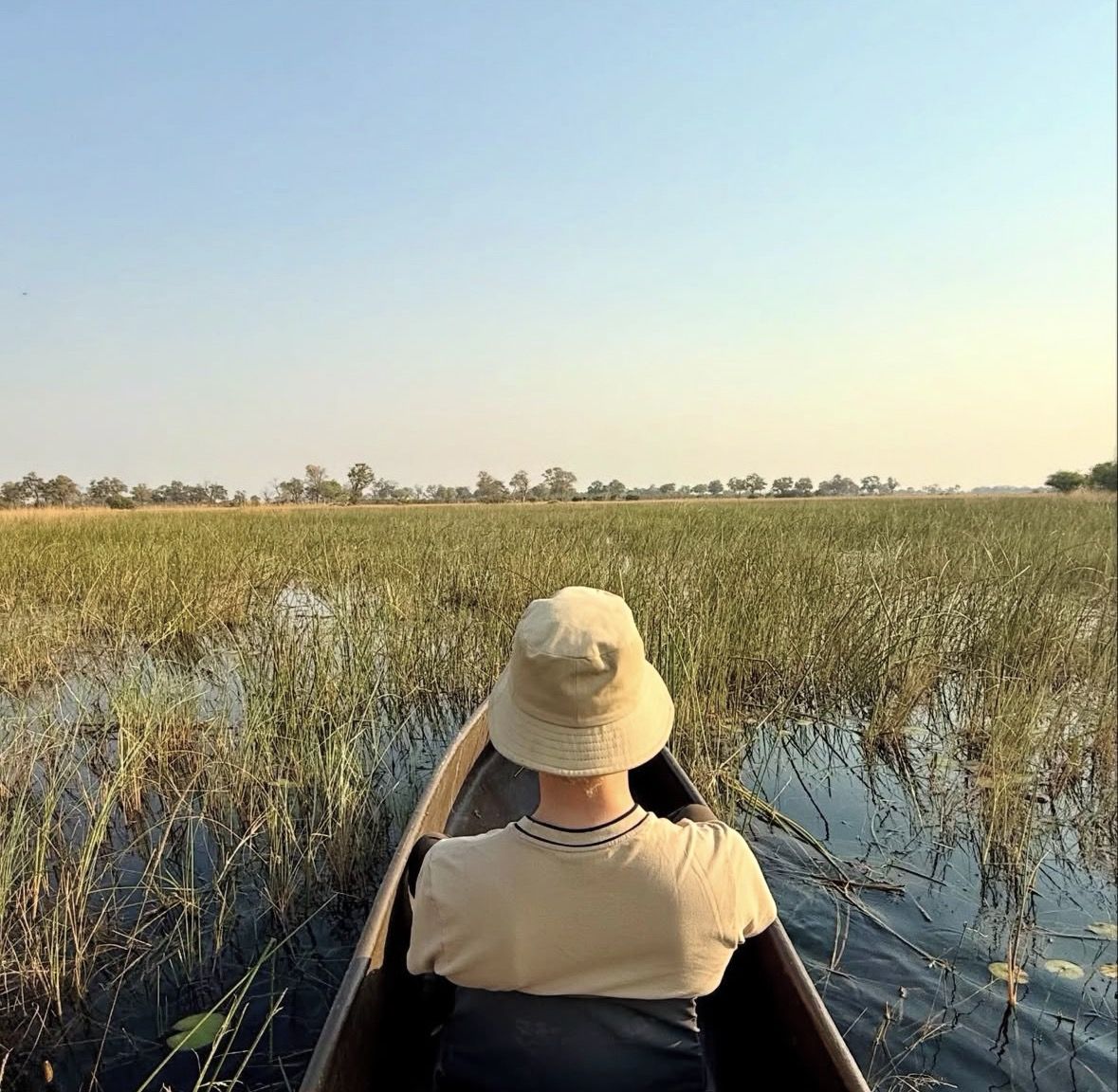
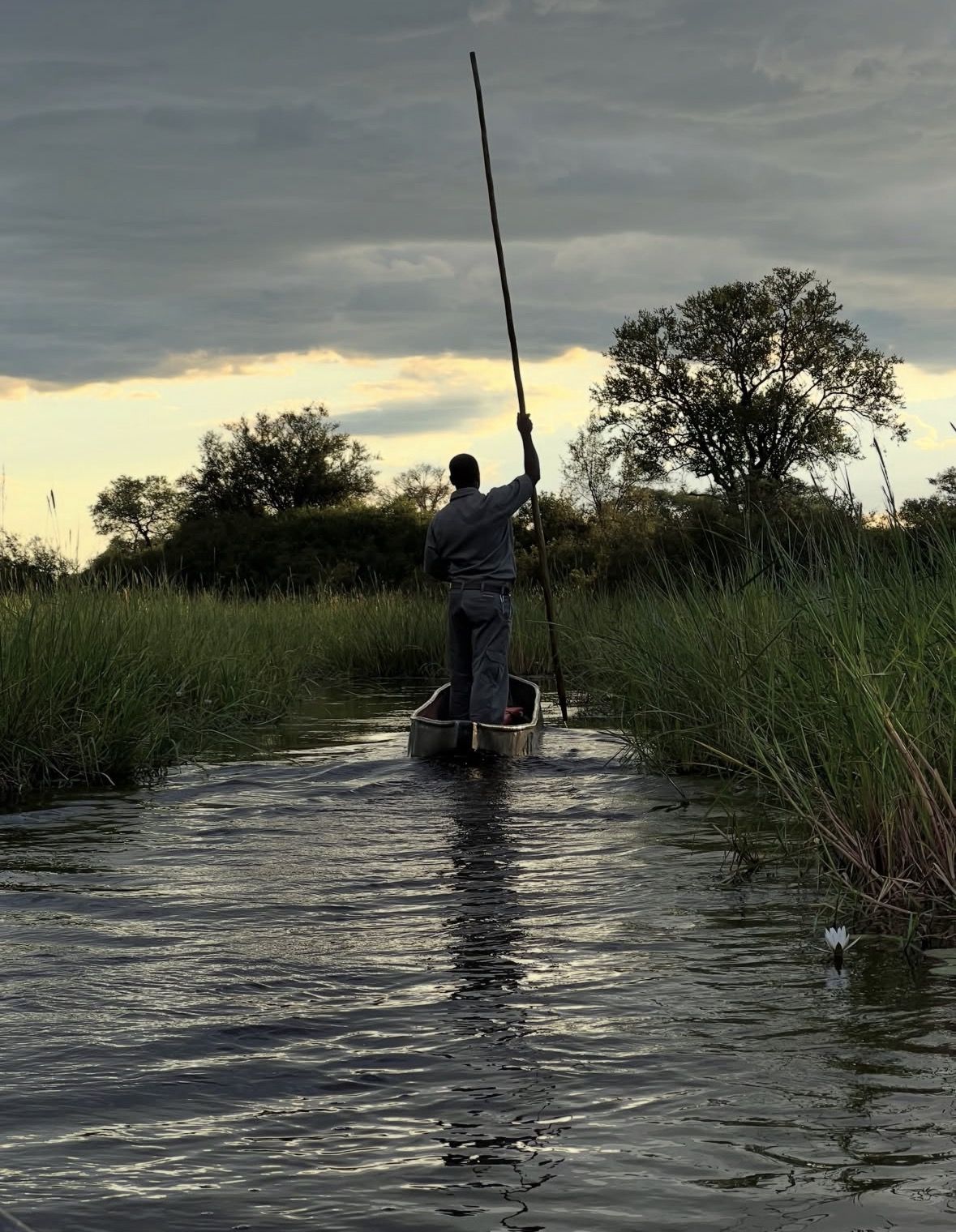
By approximately the 18th century, Bantu-speaking peoples, including the Bayei and Hambukushu communities, migrated into the Okavango region from the north, bringing with them agricultural practices, cattle herding, and a deep tradition of water-based living. The Bayei, considered the original mokoro craftsmen, introduced the iconic technique of poling these shallow dugout canoes through the papyrus-fringed channels — a practice still central to delta tourism today. The Hambukushu settled along the Panhandle region, developing fishing communities and rich artistic traditions including basket weaving with intricate geometric patterns, a craft form now internationally celebrated and sold across Botswana as a symbol of cultural identity.
The Batawana people, a branch of the Tswana nation, established dominance over the broader Ngamiland region during the early 19th century, creating a powerful chieftaincy centered at Maun that governed trade and territorial rights across the delta. Their arrival brought new social structures that reshaped relationships among the region's diverse communities. Despite periods of conflict and displacement, the various peoples of the Okavango developed a shared cultural ecology — a way of life fundamentally shaped by the delta's annual floods, its fish, its birds, and its extraordinary mammals. This layered human history gives the landscape a depth that purely natural wonders cannot match.
European awareness of the Okavango Delta began in earnest in 1849 when Scottish missionary and explorer David Livingstone, guided by the Bayei people, became the first European to document the region. He described Lake Ngami — fed by the Okavango system — as a stunning discovery, earning him a gold medal from the Royal Geographical Society in 1851. Subsequent explorers including Frederick Courtney Selous ventured into the region during the late 19th century, drawn by reports of extraordinary elephant and lion populations. Their accounts, while often couched in the colonial language of conquest and ivory hunting, inadvertently documented the delta's staggering biodiversity at a time before significant human pressure had altered its ecology.
Botswana's independence in 1966 marked a turning point for the Okavango Delta's future. The newly formed government recognized that the delta's wildlife and wilderness represented a potentially sustainable economic resource through carefully managed tourism rather than extraction. The Moremi Game Reserve, established in 1963 by the Batawana people themselves — making it one of Africa's first reserves created by an indigenous community — became the conservation cornerstone of the delta. As Botswana developed its high-value, low-volume tourism philosophy during the 1980s and 1990s, exclusive tented camps and lodges began operating under strict concession agreements that limited visitor numbers and mandated environmental sensitivity.
The delta's global significance was formally enshrined on June 22, 2014, when UNESCO inscribed the Okavango Delta on the World Heritage List — the 1,000th site ever recognized. UNESCO cited the delta's exceptional natural beauty, its outstanding example of ongoing ecological and biological processes, and its critical importance as habitat for threatened species including African elephants, lions, cheetahs, African wild dogs, and hippos. Botswana's commitment to conservation has proven remarkably effective: the country now hosts one of Africa's largest elephant populations, estimated at over 130,000 individuals, and the delta remains one of the last truly wild places on the continent where nature operates largely on its own terms.
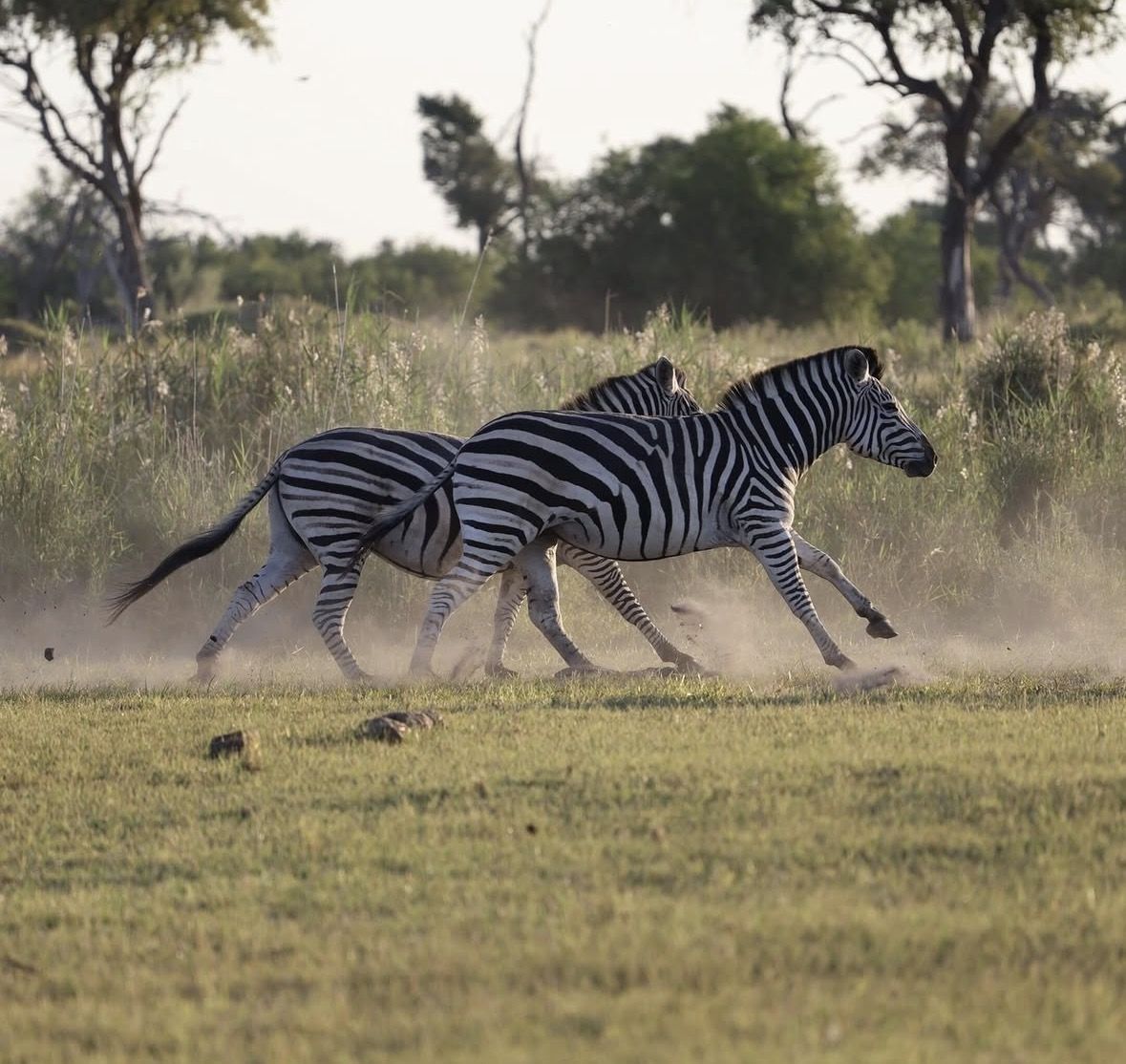
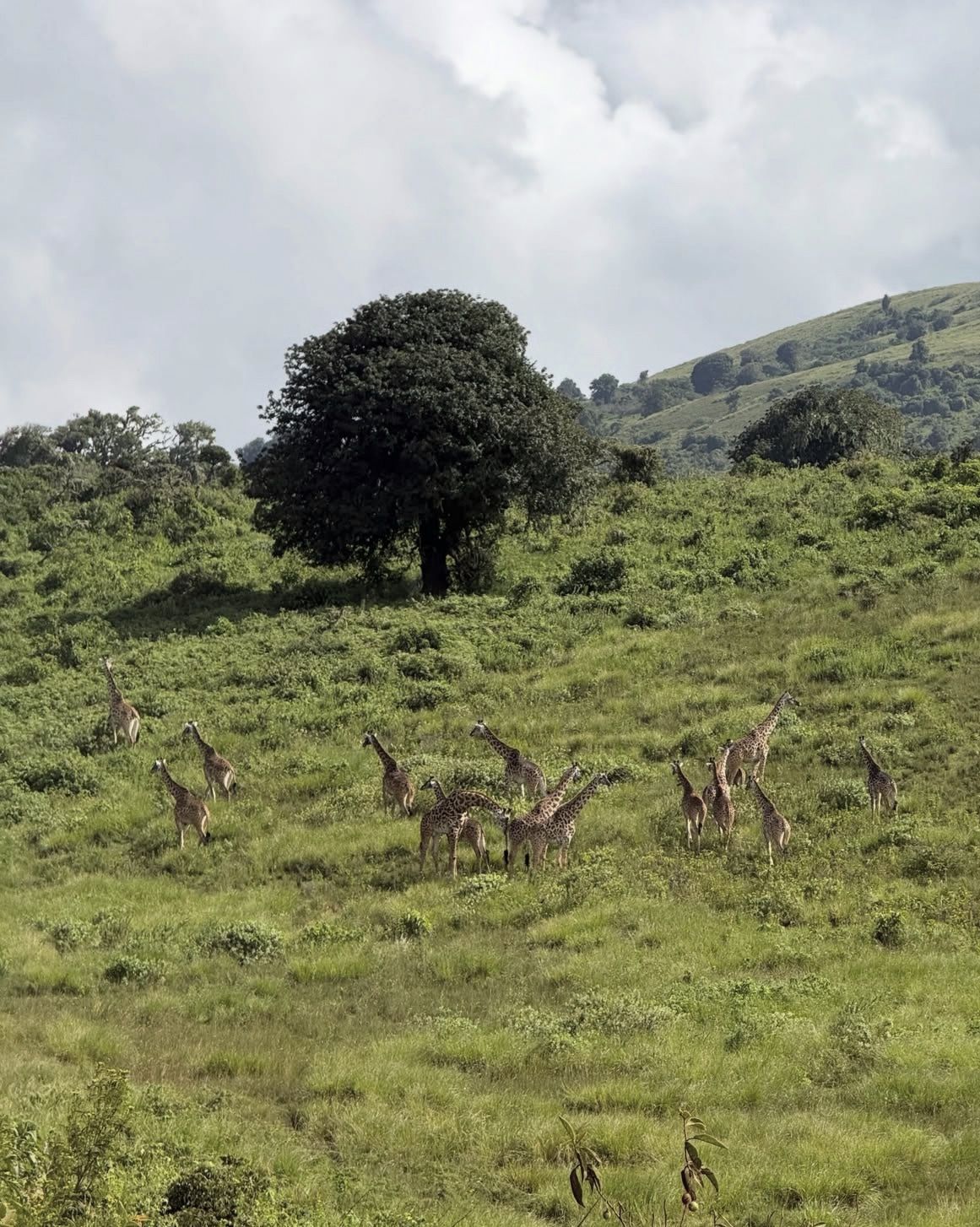
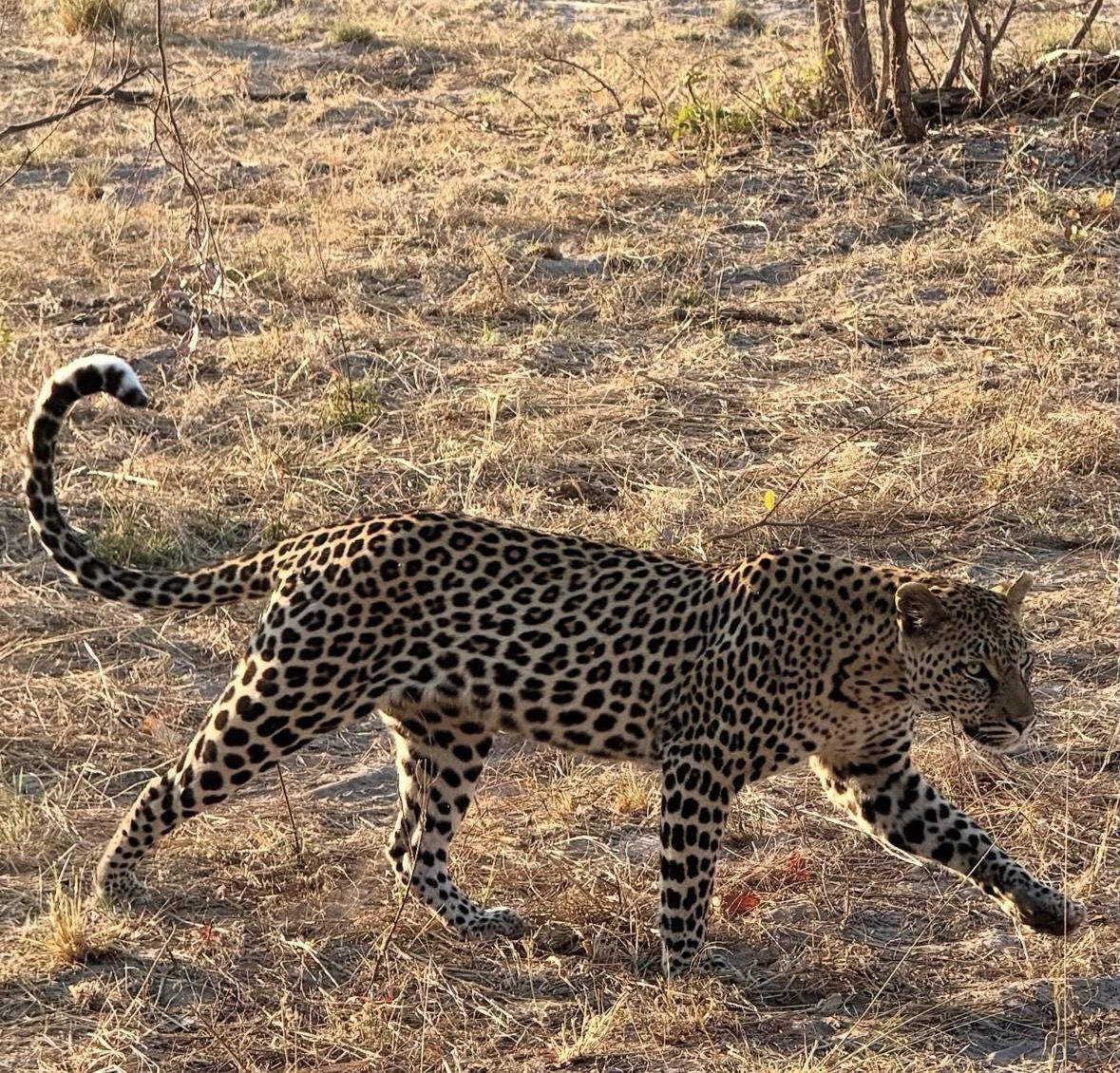
Today the Okavango Delta receives visitors from across the world who come to experience what National Geographic has repeatedly named one of the seven natural wonders of Africa. Modern travelers arrive at Maun — the gateway town that has evolved from a dusty cattle post into a vibrant tourism hub — before transferring by light aircraft to remote camps accessible only by bush plane or boat. The experience on offer ranges from mokoro excursions through lily-covered channels and guided game walks on palm-studded islands to night drives revealing leopards and hyenas under enormous Botswana skies. The delta's character changes dramatically with each season, ensuring no two visits are ever identical.
The communities whose ancestors shaped this landscape for millennia remain central to the delta's modern story. Local guides trained in both traditional ecological knowledge and contemporary conservation science lead visitors through environments their families have navigated for generations, ensuring that tourism revenue flows back into Ngamiland communities. Conservation organizations and government agencies continue monitoring water flows, wildlife populations, and the delicate balance of the ecosystem. For travelers willing to venture beyond ordinary safari destinations, the Okavango Delta offers something genuinely rare — a place where geological time, human history, and untamed nature converge in a landscape that feels, above all else, like the very soul of Africa. Come, and let it change you.
Ready to Experience It Yourself?
The Okavango Delta's extraordinary combination of ancient history, vibrant culture, and world-class wildlife makes it one of the most rewarding destinations on the planet. Whether you dream of gliding silently through papyrus channels by mokoro, tracking lions on foot across golden floodplains, or simply watching a crimson African sunset over an endless wilderness, expert-guided tours make the experience seamless and safe. Browse our hand-picked selection of Okavango Delta tours, compare lodges and itineraries, and secure your place in one of Earth's last true wild frontiers.
Book Your Tour Now